
Exodus and Wandering – Greatest Commandment

And God spoke all these words: “I am the Lord your God, who brought you out of Egypt, out of the land of slavery. “You shall have no other gods before me. Exodus 20:1-3      

Take a moment to think of your favorite board game or maybe your favorite sport. There’s probably a lot of rules involved, and it takes some time to learn all of them. If you had to pick the number one rule, the most important rule, what would it be? For a sport like soccer, it’s pretty clear what the number one rule is: don’t use our hands. If you’ve ever taken part in the role-playing game Dungeons and Dragons, then you know the number one rule is the Dungeon Master is always right.

Not every game or sport is that simple, and these two examples are really deceptive. Things are always a lot more complicated than that.

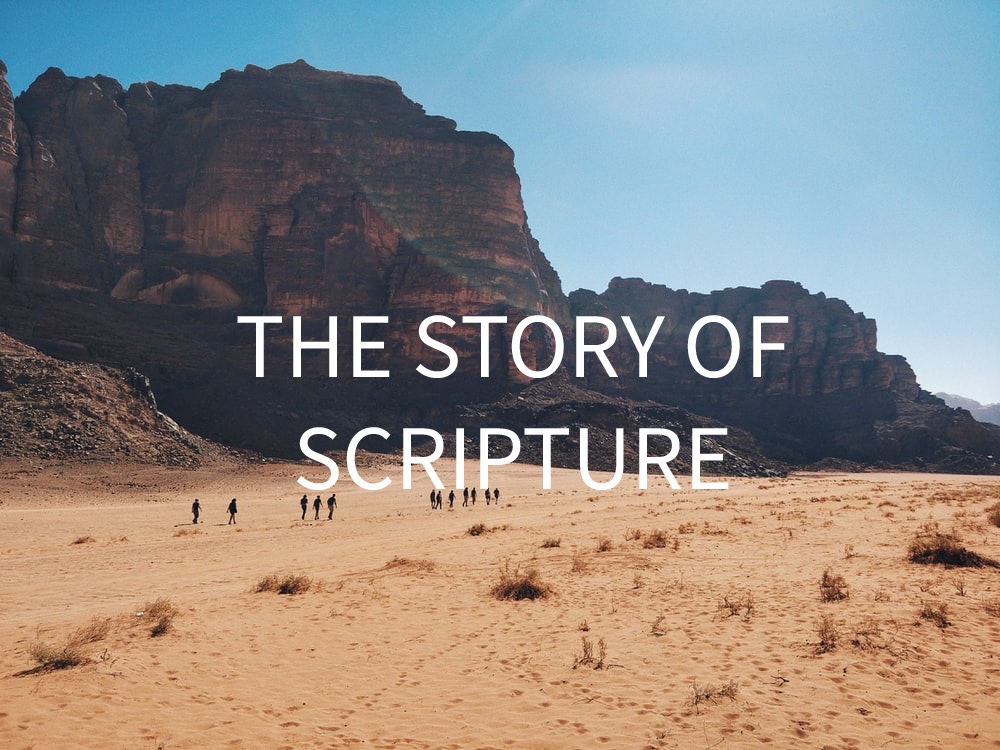
After the Israelites were rescued from slavery in Egypt, God led them into the desert beyond the Red Sea. These people had spent generations as slaves in Egypt, and now they were in unfamiliar territory. God decides to set down some ground rules for their relationship. Most important among these ground rules were the Ten Commandments, and the number one commandment was “you shall have no other Gods before me.” The rest of God’s laws flow from this commandment because if you put God first, then you will put the  things God cares about first.

At that time, most people believed in lots of different gods and these gods were in charge of different things. Ancient peoples would worship the god that cared what was most important to them. If you were a farmer, you would worship the gods in charge of the harvest. If you were a sailor, you might worship a god that would give you calm seas.

The way the God of Israel works is the exact opposite. The Israelites didn’t choose God. God chose them and rescued them from slavery. Moreover, the Israelites are called to put God first and the things God cares about. The same is true for us today. God wants to be our priority and to order our lives according to what Jesus thinks is important. It turns out the thing that God cares about most is for us to love one another. How can we better order our priorities to be in line with God’s priorities?

Exodus and Wandering – The Feast

Celebrate the Festival of Unleavened Bread, because it was on this very day that I brought your divisions out of Egypt. Celebrate this day as a lasting ordinance for the generations to come. Exodus 12:17

Moses was sent by God to pharaoh, king of Egypt, to negotiate the release of the Hebrew slaves. Pharaoh wasn’t keen on releasing the slaves, so God sent horrible plagues to help change the pharaoh’s mind. The last of these plagues was the death of the firstborn children in Egypt. It was a very dark and scary time for the Egyptians and the Israelites. To distinguish themselves from the Egyptians, the Israelites were instructed to celebrate a particular kind of meal. This meal came to be known as Passover, Because the plague passed over the house of anyone who celebrated it.

It may seem strange to celebrate a feast during the middle of a plague. It’s like having Thanksgiving dinner in the middle of a hurricane. However, the Jewish people continued to celebrate the festival of Passover every year as a way to remember how God rescued them from Egypt. They take time to tell the story, and retell the story, so even the youngest members of the family may know it by heart. Even during the Holocaust, Jews found ways to celebrate Passover in concentration camps. They marked out calendars on the walls of their barracks so they could know the right day. They stored up precious quantities of flour so they could bake the right bread. They celebrated in secret, knowing if they were caught they would surely be executed.

About 1300 years after the Israelites’ departure from Egypt, a Jewish Rabbi will sit down to celebrate the Passover with his disciple for the last time. They will bake the same bread, eat the same food, and drink the same wine, in the same way as their ancestors. Nevertheless, when they finish their meal the festival of Passover will be forever changed. It will become the sacrament of communion.

Passover and Communion both prompt us to remember God’s salvation and give thanks. Fewer obstacles stand between us and the celebration of our redeemer than did for the Jewish people during the Exodus or under Nazi Germany. Today, make space to remember, celebrate, and give thanks for God’s gift of salvation.

Exodus and Wandering – The Name of God

So now, go (Moses). I am sending you to Pharaoh to bring my people the Israelites out of Egypt…This is what you are to say to the Israelites: ‘I am has sent me to you.’”

Exodus 3:10, 14

One of the biggest mysteries in the Bible is the name of God. If you pay attention to the letters in your Bible, you’ll notice that the name of God is written in different ways. Sometimes you will see it as LORD with all uppercase letters. The Old Testament is written in Hebrew, and whenever you see all uppercase letters, the Hebrew word is actually Yahweh. Or, to be more specific, the four letters YHWH.

In Exodus 3, Moses is called by God to rescue the Israelites from Egypt. Before he leaves on his mission, Moses asks for a name. He wants to know what to tell the people of Israel about the God who’s coming to rescue them. What’s funny is that God sort of gives Moses a non-answer. He says, “I am who I am” or some translate it “I will be who I will be.” It seems like a bit of a smart-aleck response, but there’s a good reason for this.

At that time, people used the names of gods like magical spells. They would call on the name of a god in order to do their bidding. Also, a god’s name usually had something to do with what the god did. When Moses asked for God’s name, he’s trying to figure out if he’s the God of the sun or the desert or the storms. He’s trying to put the real living God in the right category.

God’s answer resists being put into a box. He’s way bigger than the sun or storms. God will be whatever God wants to be. We cannot control God or define God. We can’t even fathom the depth, the height, or the breadth of God’s power. We can only hope to know some little piece of God through our relationship with the Son of God.

For centuries, Jews have marveled at the power in God’s name so much so that they never say the word Yahweh. Instead, they use euphemisms such as words like “Adonai” meaning “Lord” or “hashem” which just means “the name.” There is so much power and beauty in the name of God. It is important to take time to meditate on it and be lost in wonder.